






Honda Repair & Service: Common Mechanical Wear Items
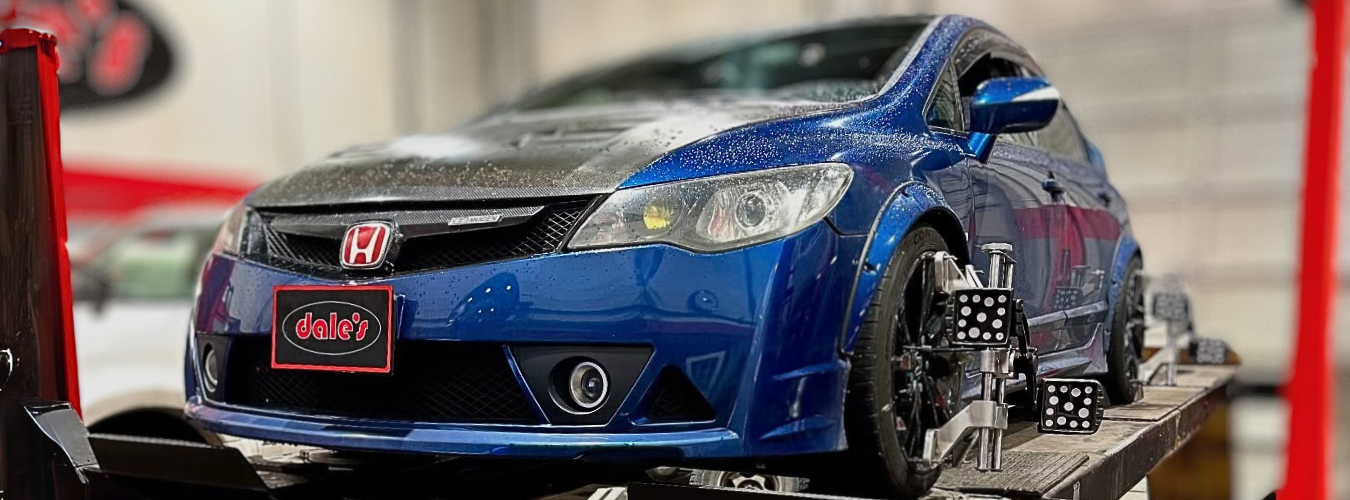
If you own a Honda, understanding common mechanical wear items helps you avoid breakdowns and expensive repairs. At Dale’s Auto Service, the best Honda mechanic near you in the Lower Mainland, we specialize in Honda repair & service for all makes and models.
Below is a detailed breakdown of common and problematic mechanical wear items by Honda model run over the last 15 years.
Honda Civic (2012–2015, 2016–2021, 2022–Present)
2012–2015 Civic
-
Premature rear brake wear
-
Front strut and sway bar link wear
-
CVT transmission fluid degradation (if not serviced)
-
A/C compressor failure
-
Engine mount deterioration
2016–2021 Civic (1.5T models especially)
-
Oil dilution concerns (1.5L Turbo)
-
Turbocharger wastegate rattle
-
Fuel injector issues
-
Battery and starter wear
-
Electronic parking brake faults
2022–Present Civic
-
Brake pad wear due to electronic brake systems
-
Steering rack noise
-
Early battery wear in stop/start models
Honda Accord (2013–2017, 2018–2022, 2023–Present)
Common Wear & Problem Areas
2013–2017 Accord
-
V6 timing belt service (critical maintenance)
-
Starter motor failures
-
Brake caliper sticking
-
Wheel bearing wear
-
Power steering pump leaks (earlier models)
2018–2022 Accord
-
1.5T head gasket concerns
-
10-speed transmission fluid service critical
-
Brake booster issues
-
Suspension bushings wear
-
Turbo oil feed line leaks
2023–Present Accord Hybrid
-
Brake wear (hybrid blend braking imbalance)
-
Battery cooling system maintenance
-
Electronic steering module calibration needs
Honda CR-V (2012–2016, 2017–2022, 2023–Present)
Common Wear & Problem Areas
2012–2016 CR-V
-
Rear differential service neglect (AWD)
-
A/C compressor clutch failures
-
Control arm bushing wear
-
Starter motor issues
2017–2022 CR-V
-
Oil dilution (1.5T engines)
-
Turbo actuator issues
-
CVT transmission fluid wear
-
Rear brake premature wear
-
Fuel pump recalls
2023–Present CR-V Hybrid
-
Brake rotor corrosion
-
Electronic AWD actuator wear
-
12V battery failures
Honda Pilot (2011–2015, 2016–2022, 2023–Present)
Common Wear & Problem Areas
2011–2015 Pilot
-
Timing belt service required (V6)
-
Rear suspension sag
-
Engine mount failures
-
Transmission torque converter shudder
2016–2022 Pilot
-
9-speed transmission shift concerns
-
Fuel injector carbon buildup
-
Brake booster issues
-
Wheel bearing noise
2023–Present Pilot
-
Adaptive cruise radar calibration
-
Rear differential fluid sensitivity
-
Electronic steering system updates
Honda Odyssey (2011–2017, 2018–Present)
Common Wear & Problem Areas
2011–2017 Odyssey
-
Timing belt service
-
Sliding door motor failures
-
Transmission shudder
-
Front control arm bushings
2018–Present Odyssey
-
10-speed transmission maintenance critical
-
Rear brake wear
-
Engine mount wear
-
Electrical sliding door sensor issues
Other Honda Models (Fit, HR-V, Ridgeline, Passport)
Honda Fit (2015–2020)
-
CVT service critical
-
Ignition coil wear
-
Rear suspension bushing wear
Honda HR-V (2016–2022, 2023–Present)
-
CVT belt wear if fluid neglected
-
Rear brake wear
-
Wheel bearing noise
Honda Ridgeline (2012–2014, 2017–Present)
-
Timing belt service (V6)
-
Rear differential fluid service
-
Suspension bushing wear
Honda Passport (2019–Present)
-
9-speed transmission servicing
-
Brake wear
-
AWD system fluid maintenance
Why Regular Honda Service Matters
Most Honda mechanical failures are preventable with:
-
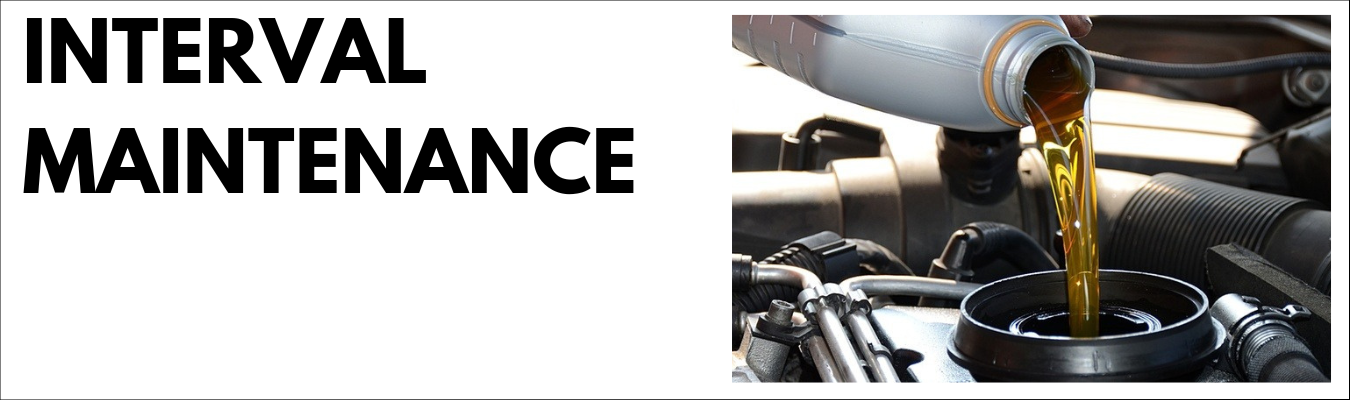
Scheduled maintenance
-
Proper transmission fluid service
-
Timing belt replacement (V6 models)
-
Brake inspections
-
Differential servicing (AWD)
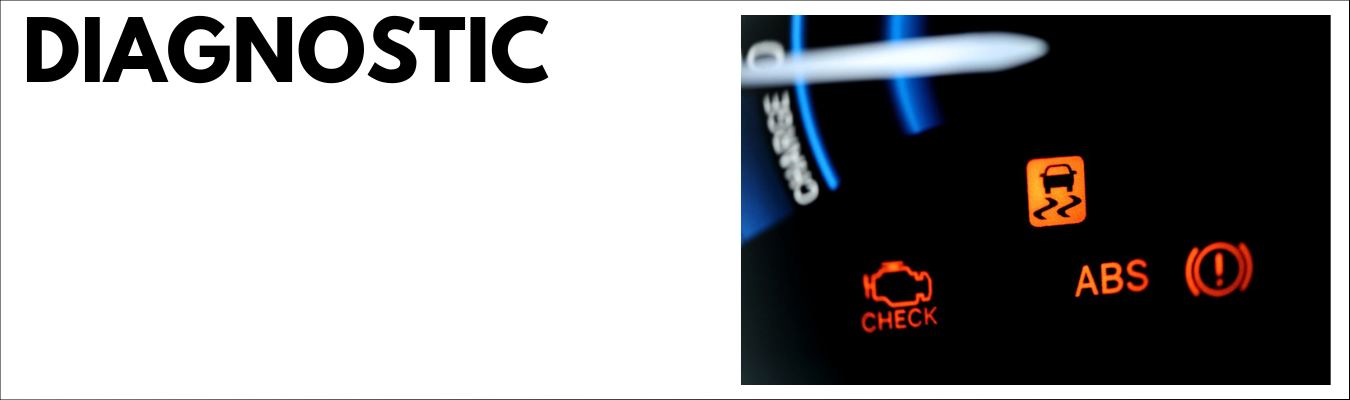
At Dale’s Auto Service, we perform complete Honda diagnostics, factory-level maintenance, and major mechanical repairs for all makes and models.
We won’t steer you wrong.
Honda Service – Book With Confidence
Whether you need Honda service, repair, maintenance, or upgrades, our team is ready to help.
📞 Phone: 604-530-9160
📧 Email: sales@dalesauto.ca
Honda Service FAQ
1. What are the most common Honda repair problems?
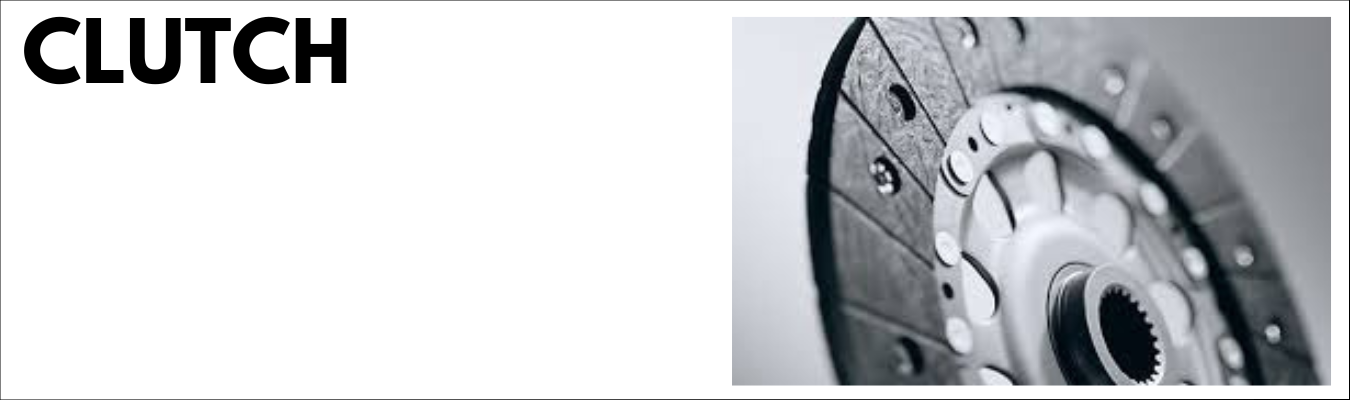
Common Honda repair issues include CVT transmission wear, timing belt service on V6 models, brake wear, oil dilution in turbo engines, and suspension component failure.
2. How often should I service my Honda transmission?
Honda CVT transmissions should be serviced every 40,000–60,000 km to prevent costly failure.
3. Do Honda engines require timing belt replacement?
V6 Honda engines (Pilot, Odyssey, Ridgeline) require timing belt replacement around 160,000 km.
4. Are Honda turbo engines reliable?
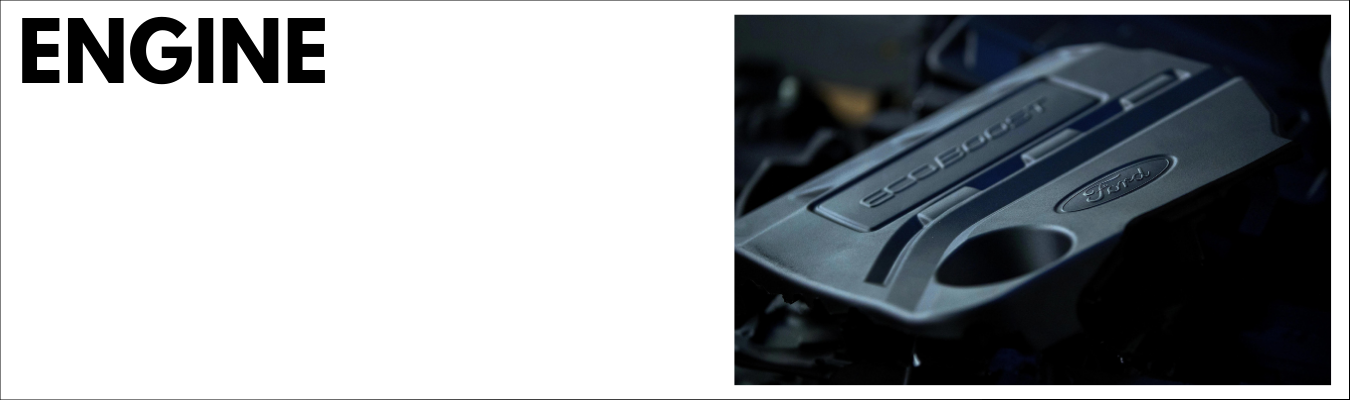
Yes, but 1.5L turbo engines require proper oil changes and monitoring for dilution issues.
5. Where can I find the best Honda mechanic near me?
Dale’s Auto Service provides trusted Honda repair & service in Surrey, Langley, Cloverdale, White Rock, and the Lower Mainland.
HONDA Vehicles
Accord
CR-V
Pilot
Civic 5 Doors
Civic Sedan
Odyssey
Ridgeline
Civic Type-R
Jazz / Fit
Civic Coupe
Insight
Legend Sedan
Civic Sedan US
NSX
Passport
Accord Coupe
Accord Crosstour
Accordtos
Fit



Honda Service & Repair in Langley