


Mazda Service & Repair: Common Mechanical Wear Items by Model
If you own a Mazda and want to stay ahead of expensive repairs, understanding common mechanical wear items can save you thousands.
At Dale’s Auto Service – Langley Auto Service, we specialize in Mazda service & repair for all makes and models. Our technicians see patterns across each Mazda model run — and we’re breaking them down below.
If you’re searching for a Mazda mechanic near you, this guide will help you understand what to watch for.
Mazda3 (2010–2025)
2010–2013 (BL Generation)
Common Wear Items:
-
Front lower control arms & ball joints
-
Rear shock absorbers
-
Engine mounts (Skyactiv introduced in 2012)
-
Brake calipers sticking
-
Clutch wear (manual models)
2014–2018 (BM/BN Generation)
Common Issues:
-
Rear brake premature wear
-
Front sway bar links
-
Wheel bearings
-
Carbon buildup on direct injection engines
-
Infotainment screen delamination (non-mechanical but common)
2019–2025 (BP Generation)
Common Wear Points:
-
Rear differential coupling service (AWD models)
-
Electronic parking brake actuator wear
-
Control arm bushings
-
Battery sensor failures (i-Stop models)
-
Brake rotors warping under aggressive driving
Mazda6 (2010–2021)
2010–2013 (GH)
-
Timing chain tensioner noise (2.3L)
-
Power steering rack leaks
-
Rear suspension bushings
-
Brake caliper corrosion
-
AC compressor failure
2014–2021 (GJ/GL)
-
Lower control arm bushings
-
High-pressure fuel pump wear
-
Turbo oil consumption (2.5T)
-
Rear brake pad rapid wear
-
Electronic parking brake service
Mazda CX-5 (2013–2025)
2013–2016 (KE)
-
Rear differential noise (AWD)
-
Control arm bushings
-
Brake pad wear
-
Wheel bearings
-
Transfer case fluid neglect issues
2017–2021 (KF Pre-Facelift)
-
Rear brake wear
-
Power liftgate motor issues
-
Front suspension strut mounts
-
Timing cover seepage (2.5L)
2022–2025 (KF Facelift)
-
Turbo models: oil consumption monitoring
-
Rear diff clutch servicing
-
Adaptive cruise sensor recalibration after collision
Mazda CX-9 (2010–2023)
2010–2015
-
Water pump failures
-
PTU (Power Transfer Unit) leaks
-
Rear suspension arm bushings
-
AC condenser leaks
2016–2023 (Turbo 2.5L)
-
Cylinder head cracking (early production years)
-
Turbo oil supply maintenance critical
-
Rear brake wear
-
Electronic parking brake motors
Mazda CX-3 (2016–2021)
-
Rear brake wear
-
Front control arms
-
Sway bar links
-
Wheel bearings
-
Engine mount vibration
Mazda CX-30 (2020–2025)
-
AWD coupling fluid service critical
-
Brake rotor corrosion
-
Front lower control arms
-
Battery sensor faults
-
Suspension alignment wear (curb impacts)
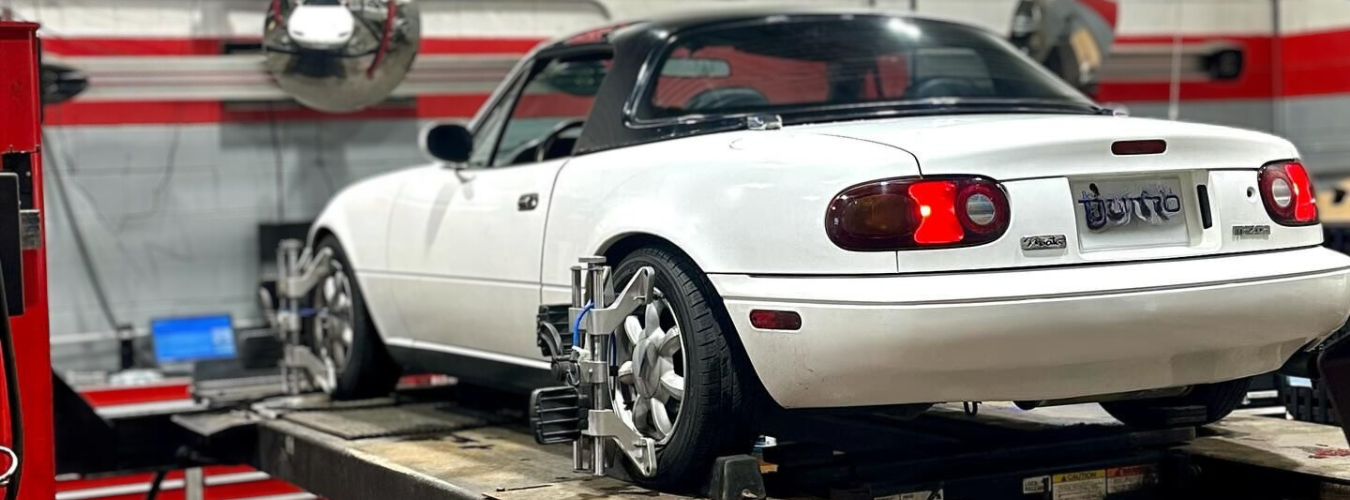
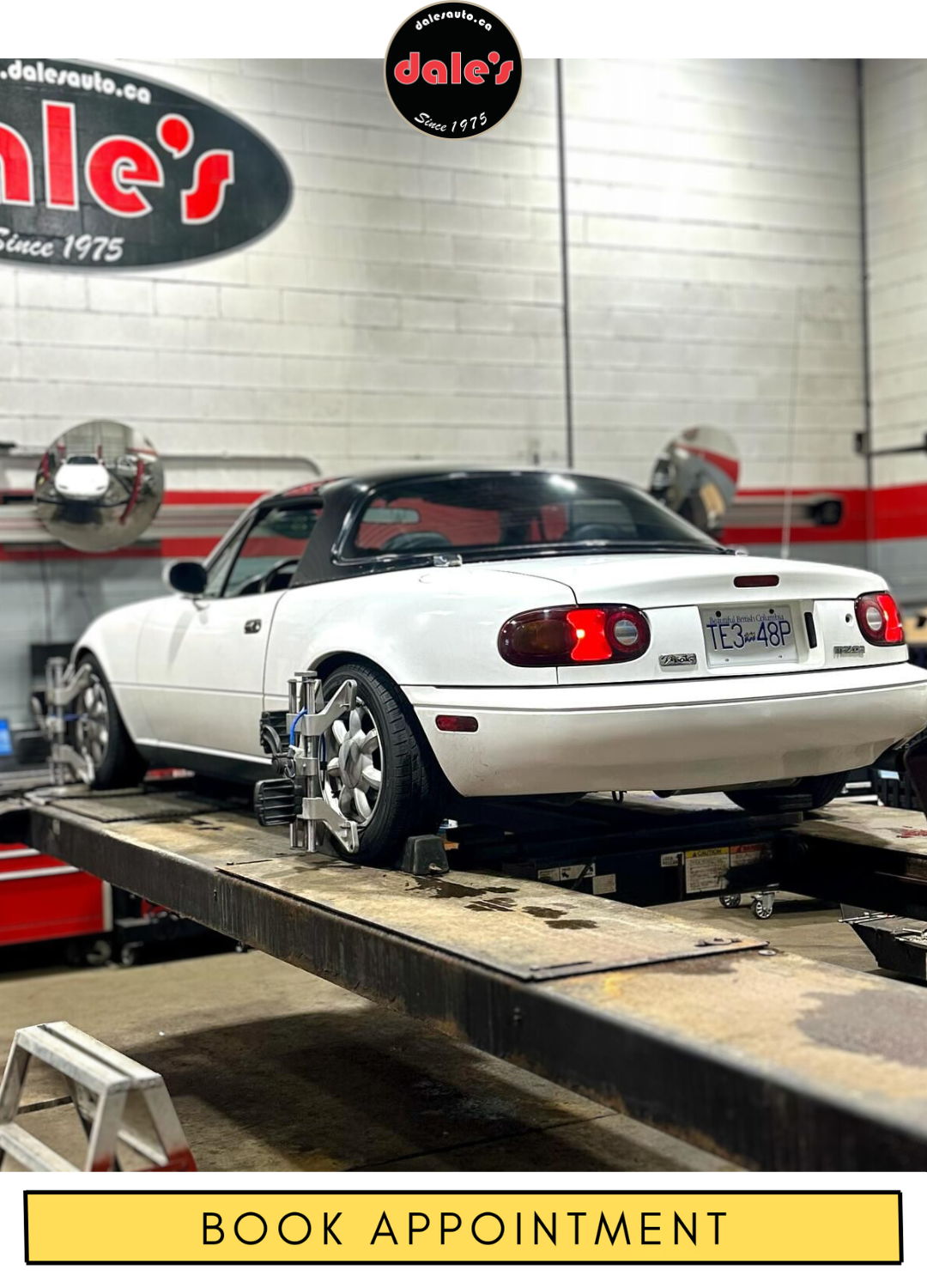
Mazda MX-5 Miata (2010–2025)
NC (2010–2015)
-
Clutch wear
-
Soft top wear
-
Rear suspension bushings
-
Wheel bearings
ND (2016–2025)
-
Transmission gear wear (early ND manual)
-
Clutch slave cylinder leaks
-
Rear brake wear
-
Differential fluid neglect issues
Mazda CX-50 (2023–2025)
-
Turbo oil monitoring
-
Rear differential service
-
Suspension bushings under off-road use
-
Alignment wear from larger wheel packages
The Most Common Mazda Wear Items Overall
Across nearly all Mazda models in the last 15 years:
✔ Rear brake pads wear faster than fronts
✔ Control arm bushings wear around 100,000km
✔ AWD systems require fluid service every 50,000–60,000km
✔ Electronic parking brake service is common
✔ Direct injection engines benefit from carbon cleaning
Preventative Mazda maintenance is far less expensive than reactive repairs.
Why Choose Dale’s Auto Service for Mazda Repair?
-
Certified technicians
-
Digital vehicle inspections with photos
-
Dealer-level diagnostics
-
AWD service expertise
-
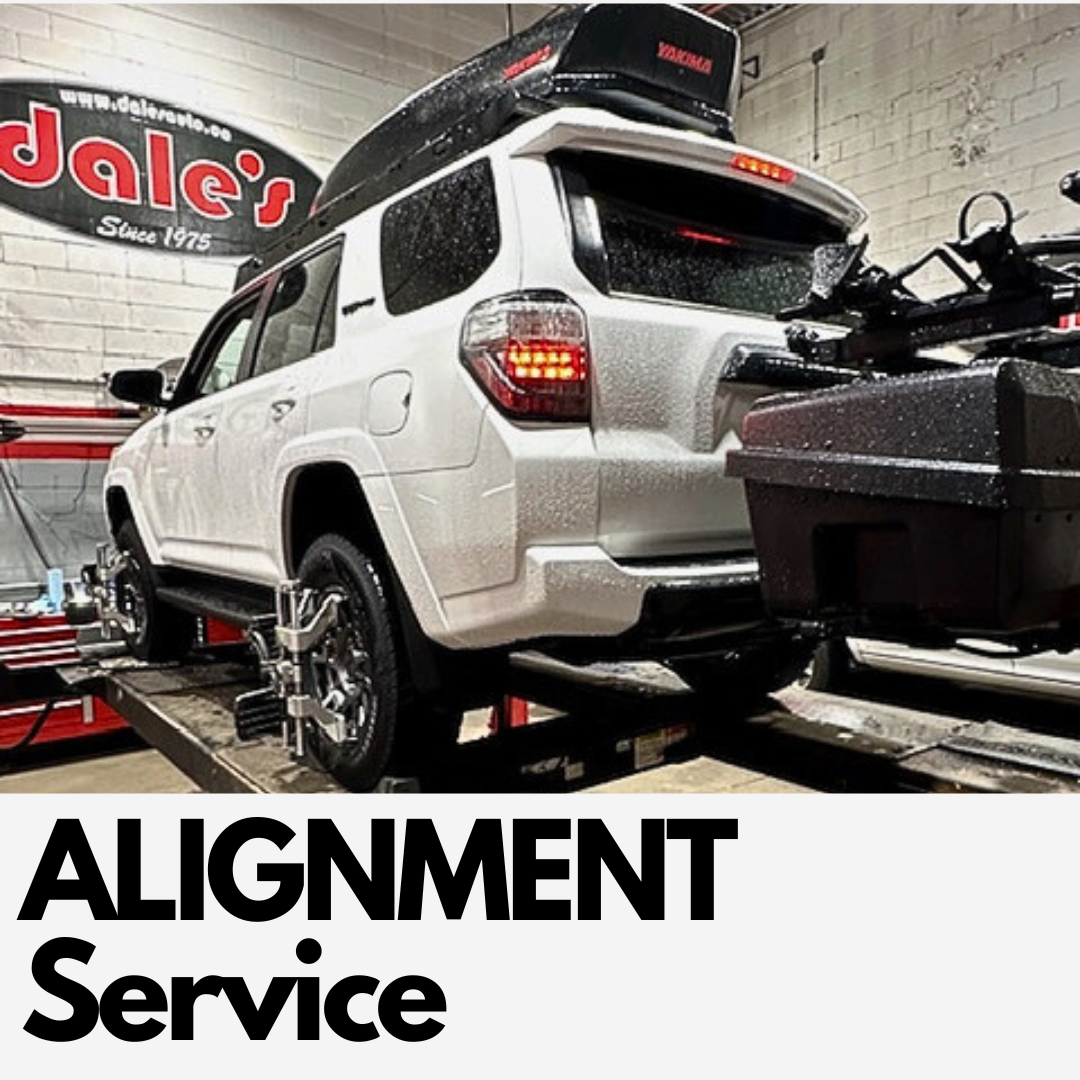
Wheel alignments after suspension work
-
Trusted local Mazda mechanic near you
We service all makes and models, specializing in Mazda service & repair in Langley and the Lower Mainland.
📞 604-530-9160
📧 sales@dalesauto.ca
“We won’t steer you wrong!”
Mazda Service FAQ
1. What are the most common problems with Mazda vehicles?
Rear brake wear, control arm bushings, AWD differential servicing, and carbon buildup on direct injection engines are most common.
2. How often should I service Mazda AWD systems?
Every 50,000–60,000km to prevent differential and transfer case failure.
3. Are Mazda turbo engines reliable?
Yes, but regular oil changes and turbo oil supply monitoring are critical.
4. Do Mazdas require carbon cleaning?
Direct injection engines benefit from intake valve carbon cleaning around 100,000km.
5. Is a Mazda dealership required for service?
No. An experienced independent Mazda mechanic near you can perform all factory-level service & repair.



Mazda Service Inquiry