



Electric and hybrid vehicle brake service
Hybrid & EV Brake Repair in Surrey
Regenerative braking does not remove the need for conventional brake care. Dale’s Surrey team inspects pads, rotors, calipers, hydraulics and electronic brake concerns on hybrids and EVs, then explains the findings before recommending repairs.
Visit our Surrey workshop on 56 Avenue, near the Langley border.
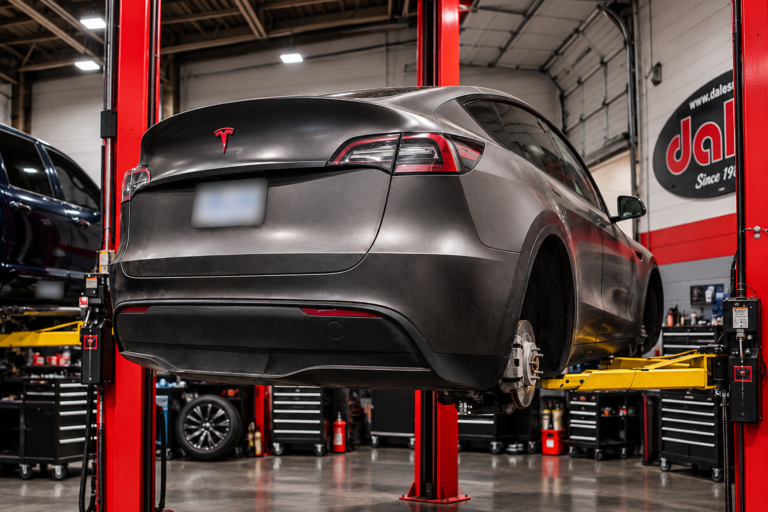
Brake inspection and repair
Inspect the complete braking system.
Pad thickness is one part of the inspection. Corrosion, hardware movement, hydraulic condition and warning information also help explain brake noise, vibration or poor release.
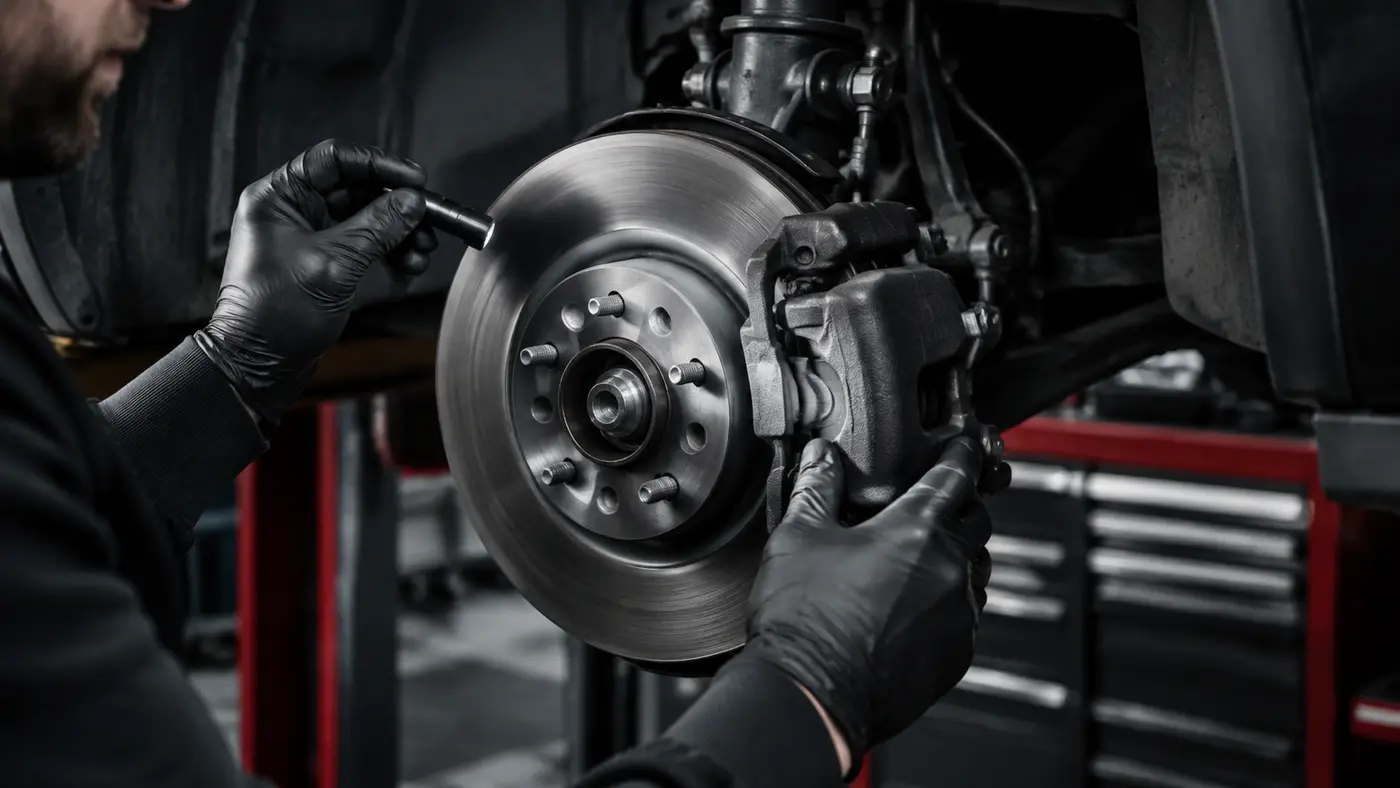
Pads & rotors
Check friction material, rotor condition, uneven wear and vibration before deciding which components need replacement.
View Service →
Calipers & hydraulics
Investigate dragging brakes, sticking calipers, slide hardware and hydraulic concerns that affect application or release.
View Service →
Brake fluid service
Review fluid condition and the vehicle’s specified service procedure, alongside leaks and pedal-feel concerns.
View Service →
ABS & electronic brakes
Diagnose warning lights and related brake-control concerns, including the interaction with regenerative braking.
View Service →Related services and useful information
Common brake concerns
Describe what changes when you brake.
Tell us when the symptom appears and whether it changes after the first few stops. The vehicle’s year, model and exact warning messages help determine the right inspection.
Scraping, squealing or rotor corrosion
Mention how long the vehicle has been parked and whether the noise clears or continues. Surface rust, worn friction material and other brake problems need different assessments; sound alone does not identify the repair.
Vibration, pulling or dragging
Tell us whether the vibration is felt through the pedal, steering wheel or vehicle, and if a pull happens only during braking. Poor brake release and steering or suspension concerns may need to be distinguished.
Warning lights or changing pedal feel
Provide the exact warning and whether stopping performance has changed. Call before driving if braking is impaired; the next step may need to be arranged without driving the vehicle to the shop.
Regenerative and friction braking
Less pad wear does not mean no brake maintenance.
Hybrids and EVs use conventional friction brakes as part of their braking system. Reduced friction-brake use can allow corrosion or sticking components to matter even while the pads still have material remaining.
Inspect the working surfaces, calipers and slides rather than judging the whole brake system by pad thickness alone.
Electronic parking brakes and integrated brake systems may require service modes or scan-tool procedures. The method follows the exact vehicle.
ABS, stability control and regenerative-braking warnings can involve electronic controls as well as mechanical components. Testing determines what needs repair.
Why Dale’s Auto Service
Clear findings before repair decisions.
Brake condition, the symptom history and warning information guide the work.
Inspection notes and photos help show what is worn, sticking, leaking or otherwise in need of attention.
Our advisors review the recommended work and estimate before approved repairs proceed.
Hybrid & EV brake inquiry
Tell us about the brake concern.
Include the year, make, model and mileage, the noise or pedal change you notice, and any dashboard warning. Note whether the vehicle pulls, vibrates or feels as though a brake is not releasing.
Send us your vehicle detailsOpen the inquiry form. Our service team will follow up.
Before your visit
Hybrid and EV brake questions.
Do EVs still need pads, rotors and brake-fluid service?
Yes. Battery-electric vehicles retain conventional friction brakes. Pads, rotors, calipers, hardware and fluid need inspection and applicable maintenance.
Why might EV brakes need work before the pads are worn out?
Regeneration can reduce friction-brake use, but rotor corrosion, sticking slides or calipers and hydraulic concerns can still require attention. The inspection considers condition and operation as well as pad thickness.
Does regenerative braking itself cause rust?
No. Reduced friction-brake use can allow corrosion to remain on the rotors longer, but the condition must be assessed rather than assuming every noise is normal surface rust.
Do electronic parking brakes require a special service procedure?
Many vehicles need a service mode or scan-tool procedure for certain brake repairs. The correct method depends on the make, model and braking system.
Can you investigate ABS or regenerative-braking warnings?
Yes. Send the exact message and vehicle details so the team can plan the appropriate brake and electronic-system checks. A warning alone does not identify the failed component.
What if the brake pedal or stopping performance has changed?
Call 604-530-9160 and describe the symptoms before driving. If braking is impaired, avoid driving the vehicle and discuss a safe way to have it inspected.